
Posted by Tracey Simpson on in Treatment Training
What Is Skin Micropigmentation? A Guide to Medical Tattooing
Skin micropigmentation, also known as medical micropigmentation, medical tattooing or paramedical tattooing, uses fine needles to place pigment into the upper layers of the skin. Where cosmetic semi permanent makeup enhances features like brows and lips, skin micropigmentation aims to restore: softening scars, recreating an areola after surgery or blending areas where skin has lost its colour.
How is it different from a normal tattoo?
• Purpose: the goal is for the result to blend in, not to be seen
• Pigment: colours are custom-mixed to match your skin tone, often blending several shades
• Technique: pigment is placed carefully into scar tissue or sensitive skin, often over several sessions so colour can be built up gradually
• Longevity: results are semi-permanent and fade gradually, so they can be adjusted as your skin changes
What can skin micropigmentation treat?
• Scars, especially pale scars from surgery such as breast reduction, uplift, mastectomy or a tummy tuck
• Areola and nipple restoration after breast reconstruction, reduction or uplift
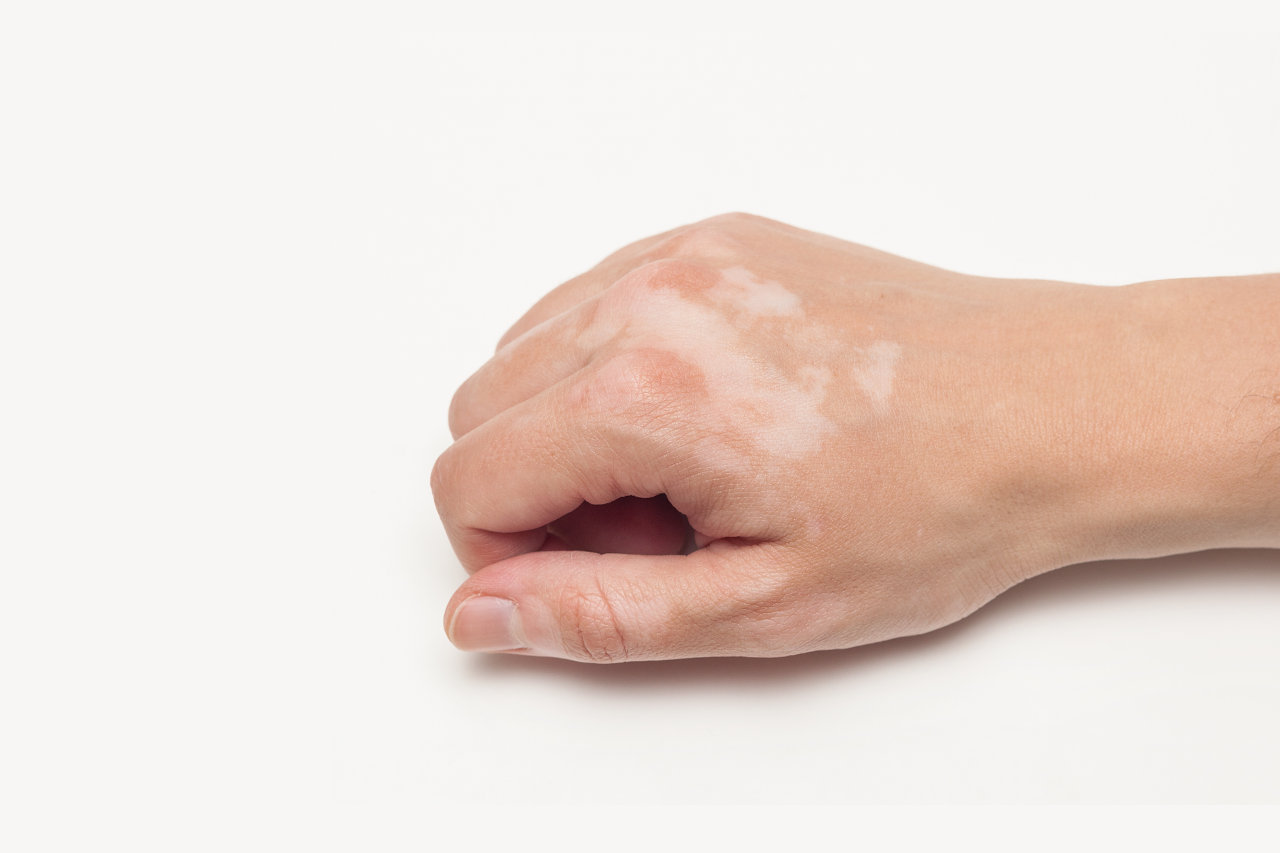
• Vitiligo and other areas of lost pigment, once the condition is stable
• Thinning hair and scalp scars, by recreating the look of hair follicles
• Cleft lip scars, by redefining the lip line
How colour matching works
Skin is never one flat colour. It has undertones that can be warm, cool or neutral, and the colour of a scar can differ from the skin around it. At your consultation we assess your skin tone and undertone, mix a blend of pigments and place a small test in the scar. The test settles over a few weeks, which shows how your skin holds the colour before full treatment. We treat all skin tones and adjust our approach for each one.
Is skin micropigmentation safe?
When it’s carried out by a properly trained and licensed practitioner, skin micropigmentation is a well-established treatment. At Natural Enhancement we use single-use needles and Biotek pigments, take a full medical history before treatment and may ask you to check with your doctor or surgical team first. If you ever need an MRI scan, tell the radiographer you’ve had micropigmentation.
How long does it last?
Results are semi-permanent and fade gradually over time. Sun exposure, your skin type and your lifestyle all affect how long the colour lasts. Most people come back for an occasional top-up to keep the result looking its best.
How much does it cost?
A medical consultation with colour-match test is £80. Scar camouflage, vitiligo re-pigmentation and scalp micropigmentation are £395 per session. Areola and nipple tattooing is £600 per breast, including a tune-up. See our full price list.
How to choose a skin micropigmentation practitioner
Before you book anywhere, it’s worth asking:
• What training and qualifications do you have in medical micropigmentation?
• Is your clinic licensed by the local council?
• Can I see before and after photos of scars like mine?
• Will you do a colour-match test before full treatment?
• How many sessions do you expect I’ll need, and what will it cost in total?
Our founder, Tracey Simpson, has received a Lifetime Achievement Award for her work in permanent makeup and has worked with training bodies including ITEC, VTCT and CIBTAC.
Book a consultation
If you’re wondering whether skin micropigmentation could help you, call 020 8995 2200 or get in touch to book a consultation at our clinic in Chiswick, W4.
Blog Home Page